
Eastmallbuy Finds
Spreadsheet
OVER 5000+
WITH QC PHOTOS
Click the images below to browse!
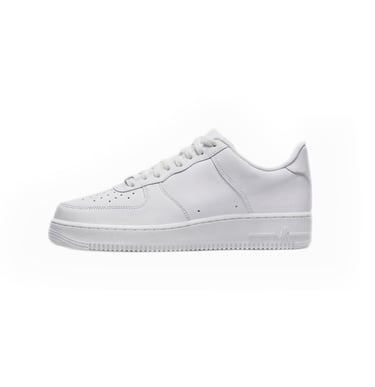
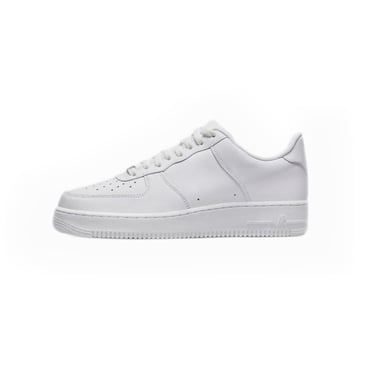
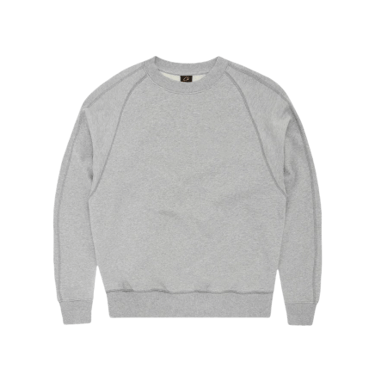
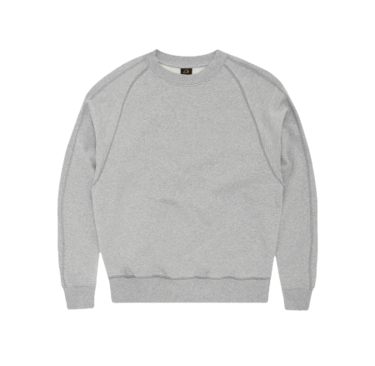
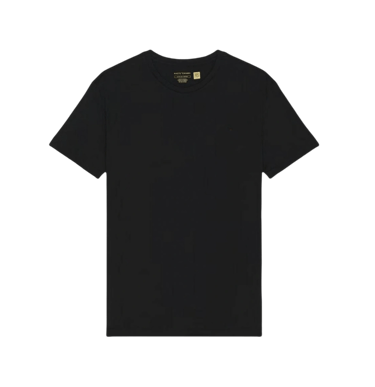
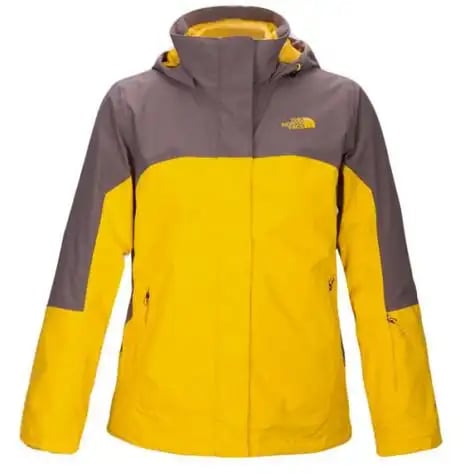
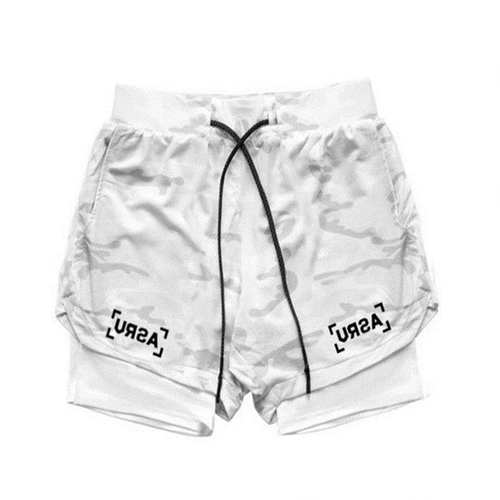
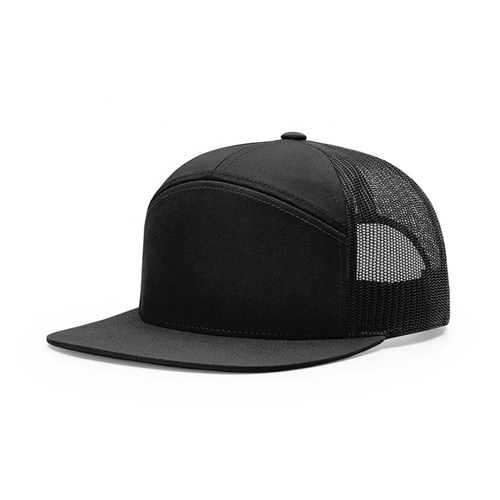
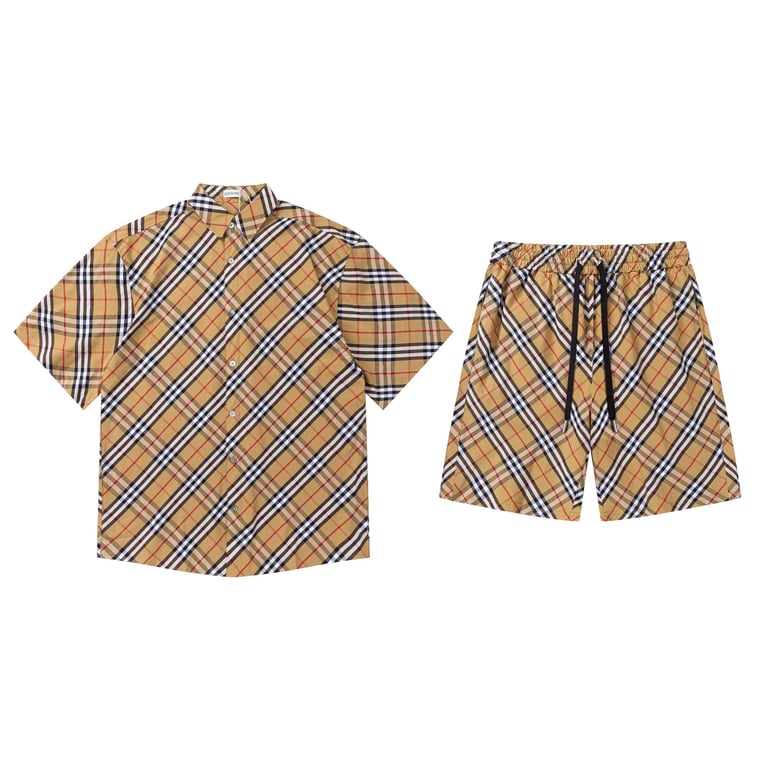
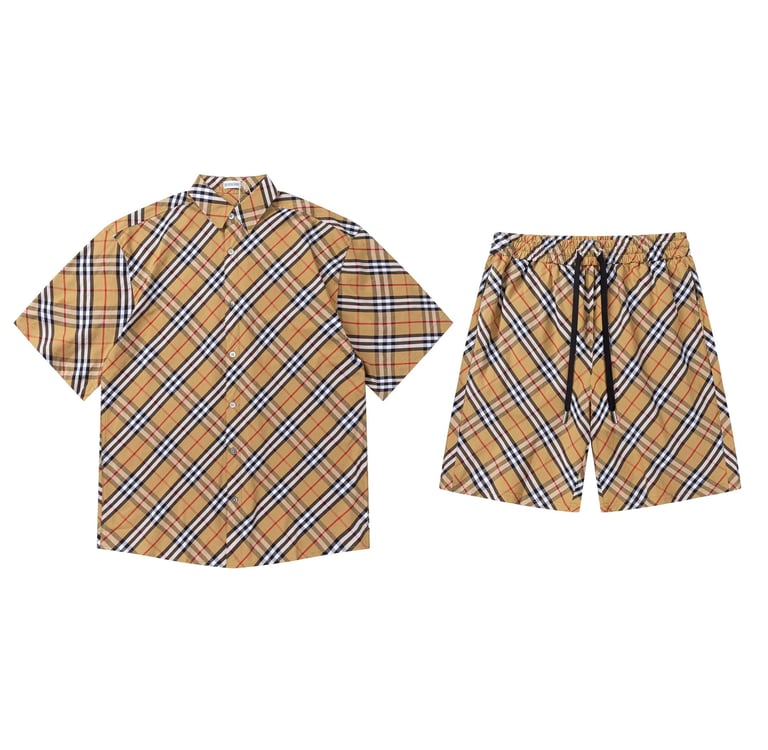
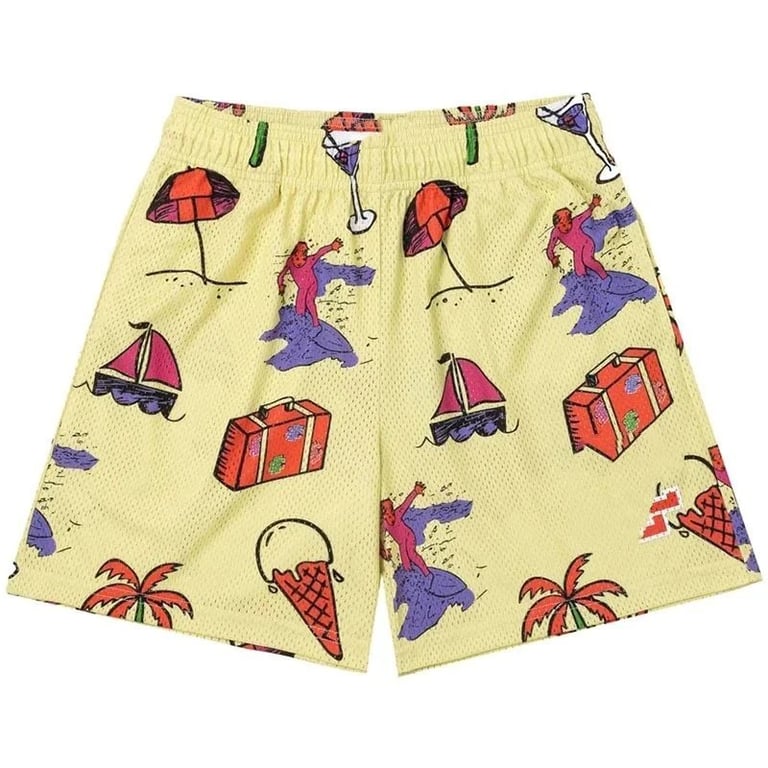
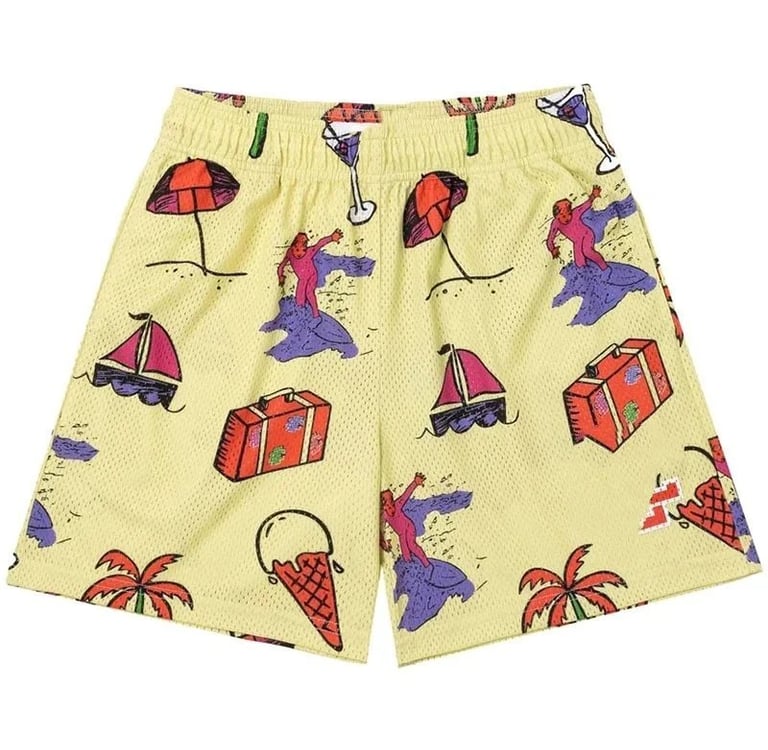
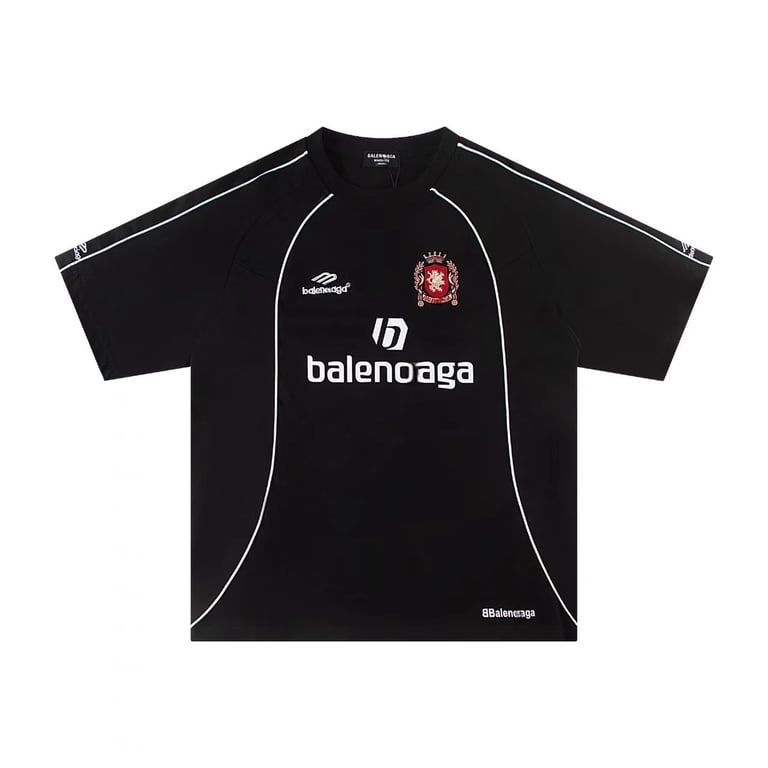
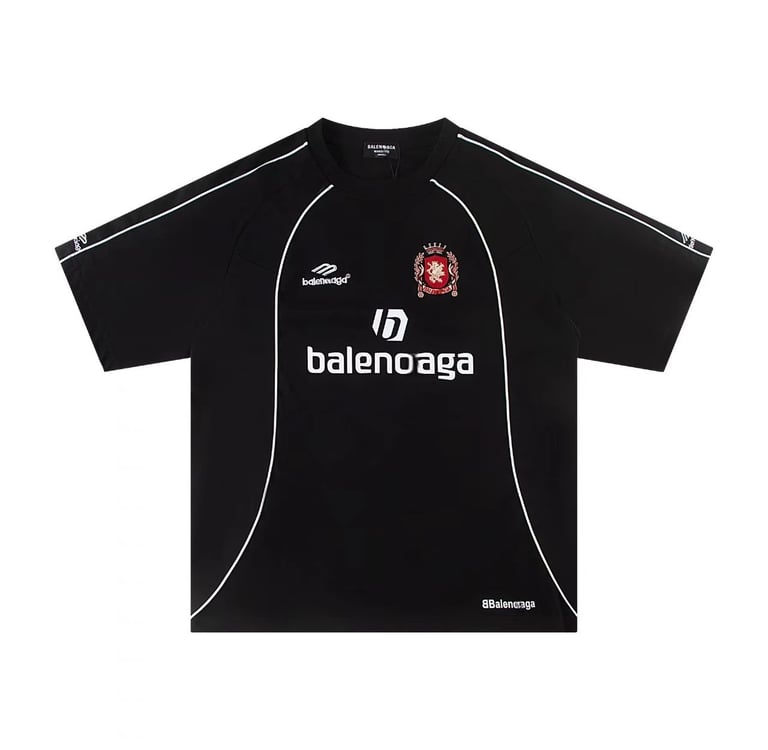
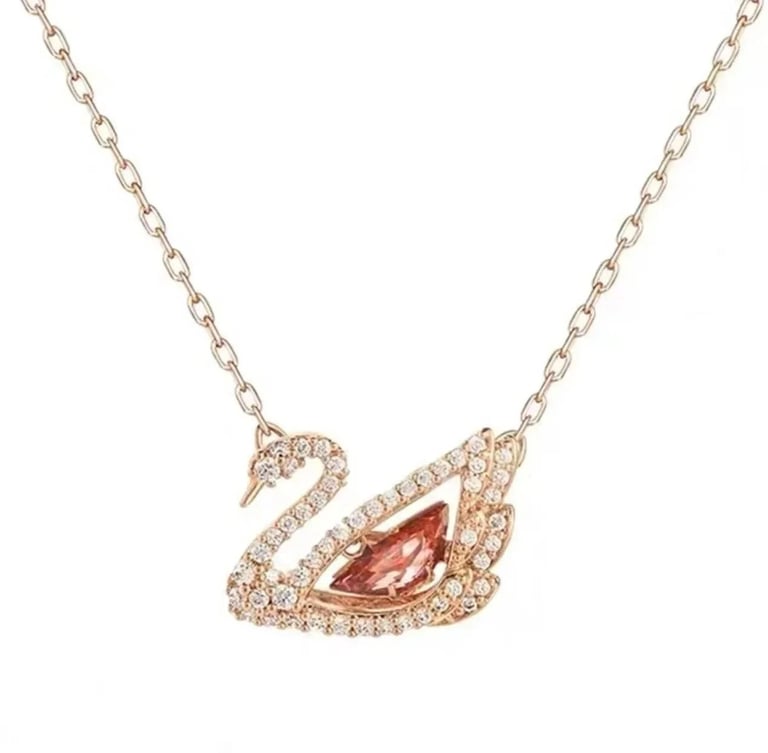
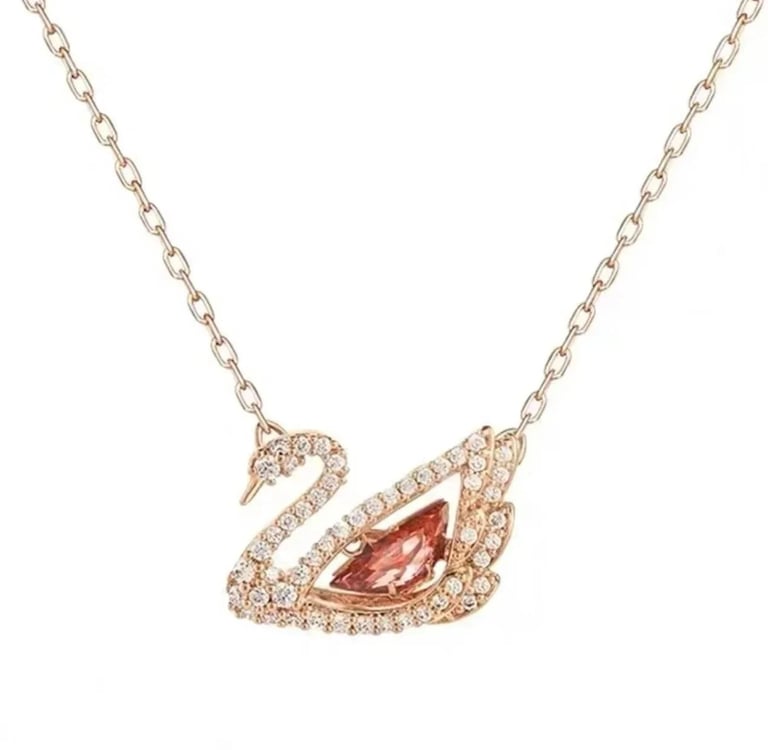
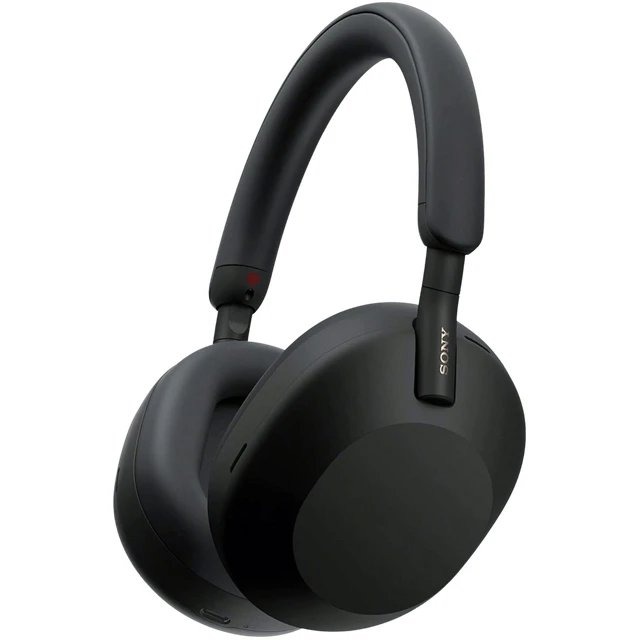
🌐 Eastmallbuy spreadsheet for curated lifestyle product discovery across global ecommerce markets|fashion trends + home essentials + consumer behavior mapping
🧭 Introduction
Lifestyle shopping in cross-border ecommerce is no longer limited to single-category purchasing. Users increasingly explore mixed consumption scenarios that combine fashion items, home essentials, and daily-use products within one browsing journey. However, most global marketplaces are not designed for this type of behavior, as product data remains fragmented across suppliers and platforms.
The Eastmallbuy spreadsheet is designed to structure this fragmented environment by organizing lifestyle products into curated discovery layers across global ecommerce sources. It helps users identify patterns across fashion trends, home essentials, and daily consumption goods within a unified framework. In addition, Eastmallbuy links provide direct access to grouped product sources, reducing discovery friction and improving browsing efficiency.
This system is built to reflect how modern users actually shop: not by isolated categories, but by blended lifestyle intent.
🧠 Lifestyle shopping in cross-border ecommerce
Lifestyle shopping refers to a consumption pattern where users do not purchase based on single product categories, but based on overall lifestyle needs, aesthetic preferences, and usage contexts. Instead of asking “what do I need,” users increasingly ask “what fits my lifestyle.”
In cross-border environments, this behavior is amplified by exposure to global product diversity. Users may combine fashion, home goods, and daily items in a single purchase cycle, often influenced by trends, social media, and seasonal needs.
The Eastmallbuy spreadsheet structures this behavior into an organized system, allowing lifestyle-driven browsing to become more intentional and easier to navigate.
🔗 Data integration logic from 1688 and micro-stores
Cross-border ecommerce supply is highly fragmented, with major sourcing coming from platforms such as 1688 and various micro-stores. These sources often differ in formatting, product naming conventions, and data consistency, making cross-comparison difficult.
The integration logic behind the Eastmallbuy spreadsheet focuses on:
Standardizing product attributes across multiple suppliers
Aligning similar items into unified comparison clusters
Normalizing inconsistent product naming structures
Connecting distributed supply sources into one searchable framework
This transforms scattered supplier data into a structured discovery system where users can compare products across platforms without switching contexts repeatedly.
👗🏠🧃 Fashion, home, and daily consumption structure
Lifestyle shopping can generally be divided into three core consumption layers:
Fashion products represent identity and visual expression. This includes clothing, shoes, and accessories that reflect personal style and trend awareness. These items are often influenced by seasonal cycles and aesthetic preferences.
Home essentials represent functional stability. This category includes furniture, storage solutions, kitchen tools, and living environment products that define daily comfort and usability.
Daily consumption goods represent routine behavior. These include toiletries, snacks, and frequently replaced household items that support everyday living efficiency.
The Eastmallbuy spreadsheet connects these three layers into a single structured system, allowing users to explore cross-category relationships rather than viewing each category in isolation.
🔍 User behavior mapping in lifestyle discovery
User behavior in lifestyle shopping is increasingly non-linear. Instead of following a strict purchase path, users often move between inspiration, comparison, and decision stages multiple times before completing a purchase.
Key behavioral patterns include:
Browsing across unrelated categories in a single session
Shifting between trend-driven and necessity-driven purchases
Comparing products based on visual and lifestyle compatibility
Relying on curated groupings rather than isolated listings
The Eastmallbuy spreadsheet maps these behaviors into structured discovery flows, helping users transition between inspiration and decision-making without losing context.
This reduces cognitive fragmentation and improves product relevance during browsing sessions.
📊 Global consumption trend alignment and research framework
Global ecommerce consumption trends are increasingly driven by hybrid behavior patterns, where users combine practicality with aesthetic preference. Instead of purely functional or purely emotional purchasing, most decisions now exist in a blended space between the two.
The Eastmallbuy spreadsheet functions as a lightweight research framework by:
Identifying cross-category consumption overlaps
Mapping recurring lifestyle preferences across regions
Highlighting trend-driven product clusters
Structuring data in a way that reflects real user behavior rather than supplier logic
This makes it not just a shopping tool, but also a way to observe how global consumption patterns evolve across fashion, home, and daily use markets.
🧾 Conclusion
Lifestyle commerce in cross-border environments is no longer defined by clear category boundaries. Users increasingly move between fashion inspiration, home improvement needs, and everyday consumption in a single decision cycle, often influenced by both practical needs and visual trends.
The Eastmallbuy spreadsheet reflects this shift by organizing fragmented product ecosystems into a unified discovery structure that mirrors real user behavior rather than traditional retail categorization. Instead of forcing users into predefined categories, it allows them to move naturally between lifestyle dimensions while still maintaining structured comparison and clarity.
In this context, product discovery becomes less about searching within categories and more about understanding how different consumption layers interact within a single lifestyle framework.


🌐 Eastmallbuy spreadsheet organizing fashion and home essentials for international shoppers|product grouping + category structure + lifestyle segmentation
🧭 Introduction
International shoppers in cross-border ecommerce environments rarely follow a single-category purchasing pattern. Instead, they tend to combine fashion items, home essentials, and daily-use goods within a single browsing session, making traditional category-based navigation inefficient.
The Eastmallbuy spreadsheet addresses this challenge by organizing products into structured lifestyle-based groupings, allowing users to browse fashion and home essentials within a unified framework. In addition, Eastmallbuy links provide direct access to curated product clusters, reducing fragmented navigation across suppliers.
This list-based structure helps simplify decision-making across multiple consumption categories.
🏆 Top 5 Lifestyle Product Grouping Logic for International Shoppers
👗 1. Fashion Identity Products
This group includes clothing, shoes, and accessories that reflect personal style and visual identity.
International users often prioritize trend alignment and outfit versatility when selecting fashion items.
The Eastmallbuy spreadsheet organizes fashion products based on style direction, seasonality, and visual compatibility to support faster selection.
🏠 2. Functional Home Essentials
Home essentials focus on improving living environment efficiency and comfort.
These include storage tools, kitchen utilities, and space optimization products.
The spreadsheet groups these items by functional usage rather than supplier listings, making comparison more practical and structured.
🧃 3. Daily Consumption Goods
Daily-use products such as toiletries, snacks, and basic household consumables fall into this category.
They are characterized by high purchase frequency and low decision complexity.
The Eastmallbuy spreadsheet clusters these items for fast replenishment-based shopping behavior.
🛍️ 4. Seasonal Upgrade Products
This category reflects lifestyle upgrades driven by seasonal changes or trend cycles.
Examples include seasonal clothing, home decor updates, and limited-time lifestyle items.
Products are grouped based on seasonal relevance to support timely purchasing decisions.
⚙️ 5. Utility & Convenience Tools
This group includes small functional items that improve daily efficiency, such as portable tools, organizers, and compact household devices.
The spreadsheet organizes these products by usage context, helping users quickly identify practical solutions without deep comparison.
📊 Comparison Path Optimization in Lifestyle Shopping
International shoppers often switch between categories during a single browsing session, which creates inefficient navigation patterns in traditional ecommerce systems.
The Eastmallbuy spreadsheet improves browsing flow by:
Structuring products into lifestyle-based clusters
Reducing repetitive supplier-level browsing
Enabling cross-category discovery within one system
Supporting faster transition from browsing to decision-making
This creates a more intuitive path that aligns with real user shopping behavior.
🧠 Consumer segmentation in lifestyle-based shopping
Lifestyle shopping behavior can be segmented into distinct user types:
Trend-driven users focused on fashion and aesthetics
Function-oriented users prioritizing home efficiency
Routine shoppers focused on daily replenishment cycles
Hybrid users combining multiple consumption motivations
The Eastmallbuy spreadsheet maps these behavioral patterns into structured product pathways, enabling more accurate alignment between user intent and product discovery.
🧾 Conclusion
What stands out in cross-border lifestyle shopping is not the diversity of products itself, but how often users shift between different types of needs within the same browsing session. A user may start by exploring fashion items, then move to home essentials, and finally end up selecting small daily-use products, all without a fixed category boundary.
The Eastmallbuy spreadsheet is built around this behavior pattern by removing strict category separation and replacing it with interconnected product groupings that reflect real browsing transitions. Instead of locking users into predefined sections, it allows movement across different consumption contexts while keeping structure consistent enough for comparison and decision-making.
This makes the shopping process less about navigating categories and more about following natural shifts in attention, where product discovery is shaped by how users actually move through lifestyle decisions rather than how products are traditionally classified.